Cardiorespiratory Fitness and Brain Health: How Exercise Supports Healthy Aging
One of the Most Powerful Predictors of Healthy Brain Aging May Surprise You
When most people think about protecting their brain as they age, they think about crossword puzzles, memory supplements, or perhaps learning a new language.
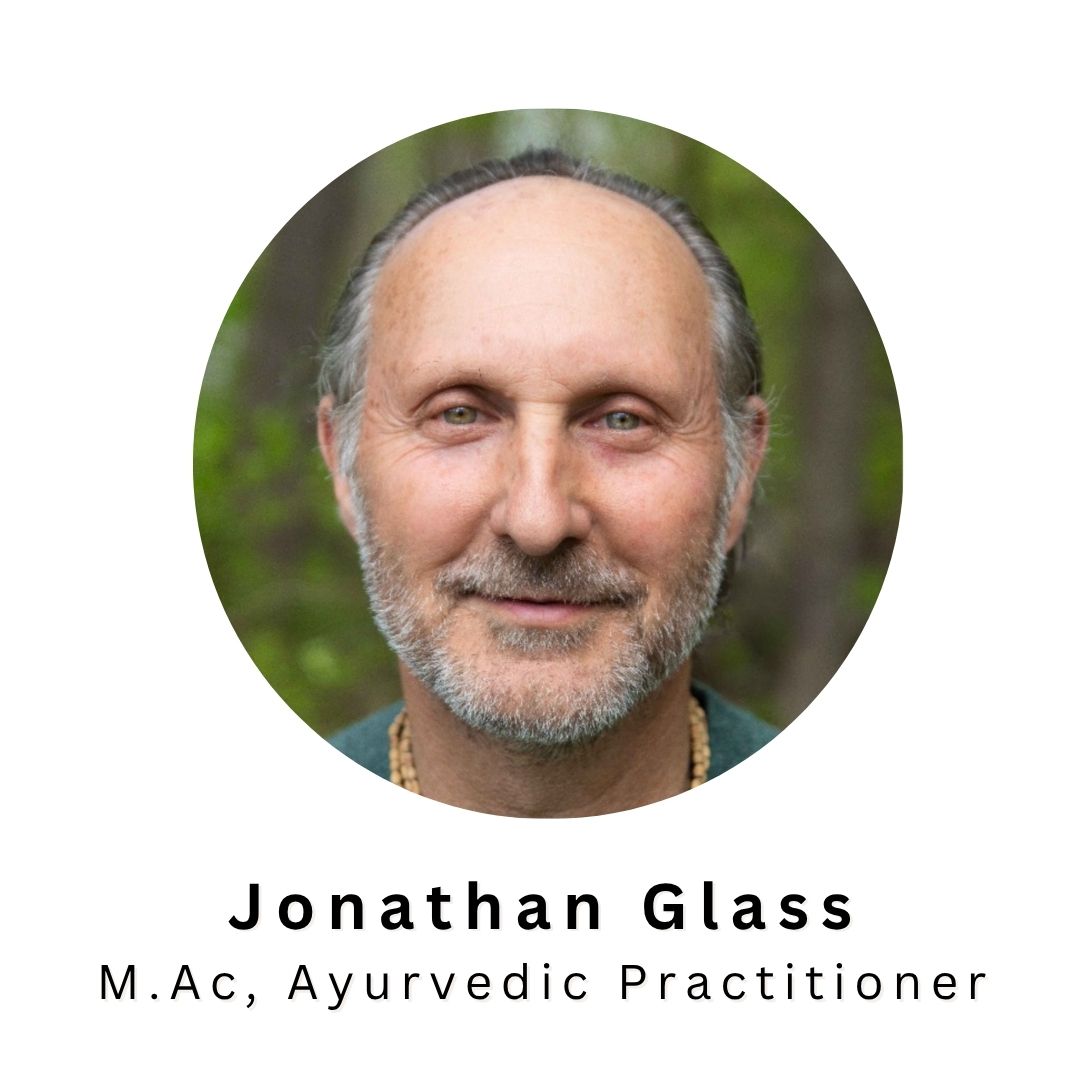
By: Jonathan Glass M.AC
While these activities certainly have value, one of the strongest predictors of long-term brain health may be something much more fundamental:
Your cardiorespiratory fitness.
This refers to how efficiently your heart, lungs, blood vessels, and muscles work together to deliver oxygen throughout your body—and it plays a remarkable role in supporting healthy brain aging.
The Research Is Remarkable
Recent research continues to strengthen the connection between physical fitness and cognitive health.
A systematic review published in Nature Mental Health analyzed 27 long-term studies involving more than four million people across nine countries. Another landmark study published in Alzheimer's & Dementia followed more than 4,000 adults over 26 years.
Together, these studies found that maintaining good cardiorespiratory fitness is associated with significantly healthier brain aging.
Individuals with the highest fitness levels experienced:
36% lower risk of depression
39% lower risk of dementia
29% lower risk of psychotic disorders
Perhaps even more encouraging, the research found that even modest improvements in fitness produced measurable benefits.
You don't need to become a marathon runner. Regular movement that improves your body's ability to use oxygen may have profound effects on your long-term brain health.
Why Movement Protects the Brain
Although the brain accounts for only about 2% of body weight, it consumes approximately 20% of the body's energy.
Every thought, memory, emotion, and decision depends upon a constant supply of oxygen and nutrients.
Improving cardiorespiratory fitness helps support brain health by:
Increasing blood flow and oxygen delivery
Supporting healthy mitochondrial energy production
Improving insulin sensitivity
Reducing chronic inflammation
Helping regulate cortisol
Supporting neuroplasticity, the brain's ability to adapt and form new connections
These are the very processes that help preserve memory, learning, emotional resilience, and cognitive function as we age.
Ancient Wisdom Meets Modern Science
This research echoes principles that Ayurveda has taught for more than 5,000 years.
The word Ayurveda combines the Sanskrit words Ayus (life) and Veda (knowledge), meaning "The Science of Life."
Ayurveda teaches that health is not merely the absence of disease but the cultivation of vitality, resilience, balance, and longevity.
Modern research is increasingly validating these timeless principles.
Rather than relying on one miracle supplement or one perfect exercise program, healthy aging is built through consistent daily habits.
Food Is the Foundation
Movement is only one pillar of healthy aging.
The food we eat literally becomes our cells.
Every day the body must:
Produce energy
Repair tissues
Manufacture hormones
Support immunity
Detoxify environmental toxins
Protect against inflammation and oxidative stress
These functions depend on receiving high-quality nutrients.
Whole, minimally processed foods provide the vitamins, minerals, healthy fats, antioxidants, and phytonutrients the body needs to thrive.
Highly processed foods, excess sugar, unhealthy fats, and chemical additives create the opposite effect by increasing inflammation and metabolic stress.
As I often tell my patients:
Food is our first medicine.
Personalized Health Matters
One of Ayurveda's greatest strengths is recognizing that no two people are exactly alike.
Two individuals may receive the same diagnosis while arriving there through very different underlying imbalances.
Instead of asking:
"What disease does this person have?"
Ayurveda asks:
"What does this individual need to restore balance?"
This philosophy remains central to my practice today.
Sometimes hidden food sensitivities, digestive dysfunction, chronic inflammation, nutrient deficiencies, toxic exposures, or chronic stress quietly interfere with the body's ability to heal.
Addressing these underlying factors often leads to improvements not only in physical health, but also energy, mental clarity, emotional resilience, and overall vitality.
Healthy Aging Begins Today
One of the most hopeful messages from this research is that brain aging is not determined solely by genetics or the passage of time.
Our brains remain remarkably adaptable throughout life.
Every healthy meal.
Every walk.
Every restorative night's sleep.
Every stress-reducing practice.
Each one is an investment in your future.
Healthy aging isn't simply about extending lifespan.
It's about extending healthspan—the years we remain mentally sharp, physically active, emotionally resilient, and fully engaged in life.
If you're interested in identifying food sensitivities, nutritional imbalances, digestive issues, or other underlying factors that may be affecting your wellbeing, I'd be happy to help you create a personalized plan.
After all, the greatest investment you can make is in the health of the body and mind you'll be living in for the rest of your life.
Ready to clear the burden and let good food do its work?
The Total Life Cleanse program is designed to help your body release what's accumulated — so that the whole foods you're eating can truly nourish you.